Tap Water Tastes Different One Town Over? Compare the Annual Reports
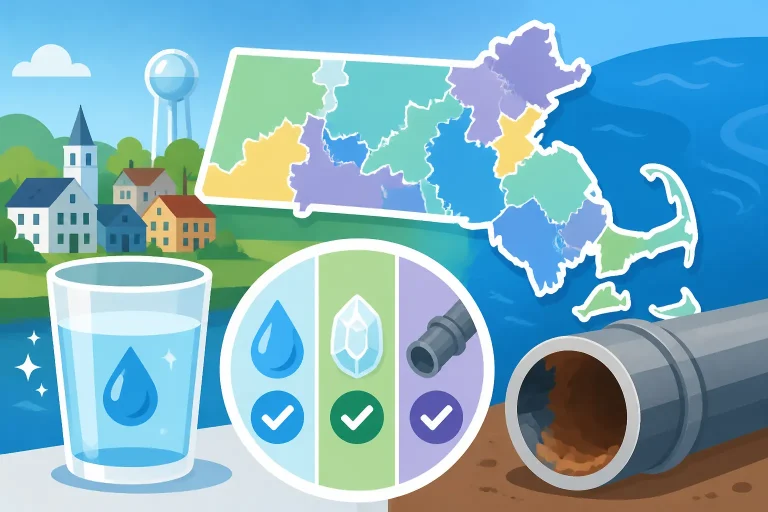
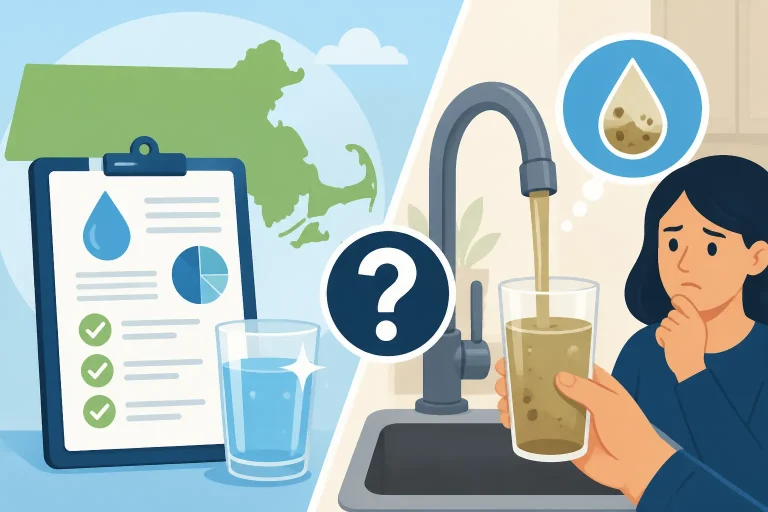
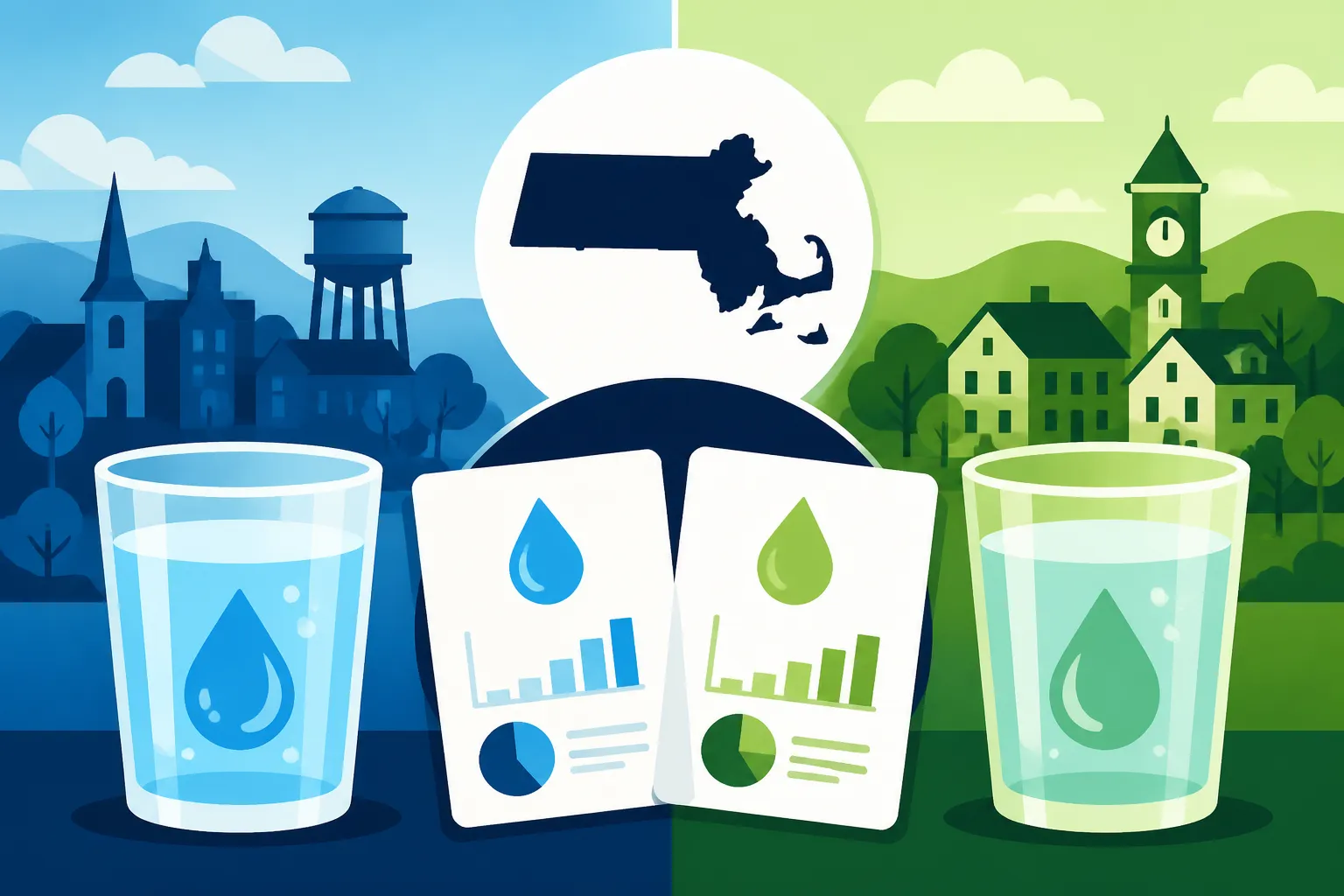
A short drive can bring a noticeable change in tap water: more chlorine, a mineral edge, or an earthy smell. Comparing nearby towns’ annual water reports can help explain what differs in their supplies and treatment. It can also show what the reports cannot tell you about the water at your own faucet, and when a home plumbing issue deserves a closer look.
Why tap water can taste different across town lines
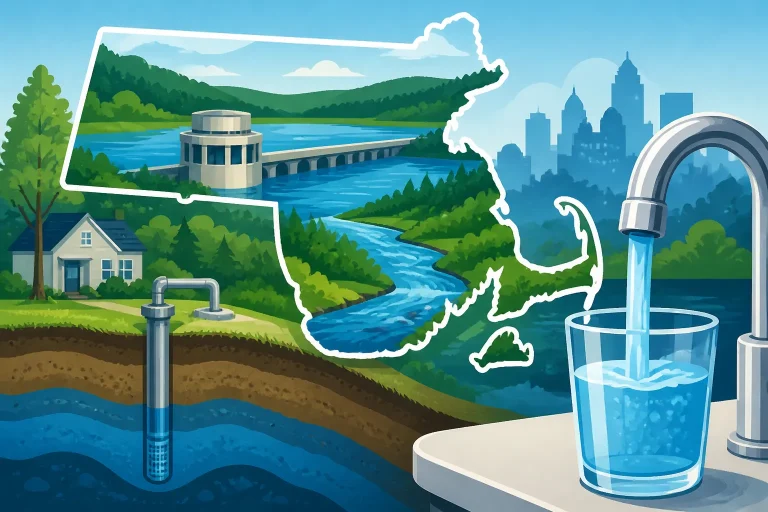
Water suppliers do not necessarily draw from the same source or use the same treatment approach. Neighboring communities may rely on different wells, reservoirs, or purchased water. Even when suppliers share a source, their treatment and local distribution systems can differ. Those differences can affect taste and smell without, by themselves, showing that water quality is unsafe.
The Massachusetts Department of Environmental Protection says all community public water systems must prepare and provide an annual consumer confidence report to their customers. It also says a Public Water Supplier must provide an Annual Consumer Confidence Report about water quality. These reports give customers a way to review their supplier’s information, but they are not designed to explain every sensory change at every tap.
When comparing reports, look for differences in the water source, treatment description, and water-quality results. A report may describe a source as groundwater or surface water, explain treatment steps, and present results for certain regulated contaminants. If a neighboring town’s report describes a different source or treatment process, that can offer a useful clue about why the water tastes different.
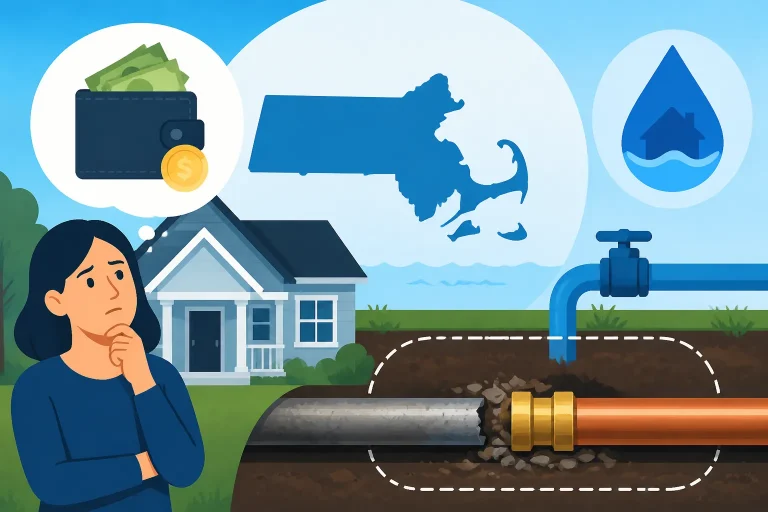
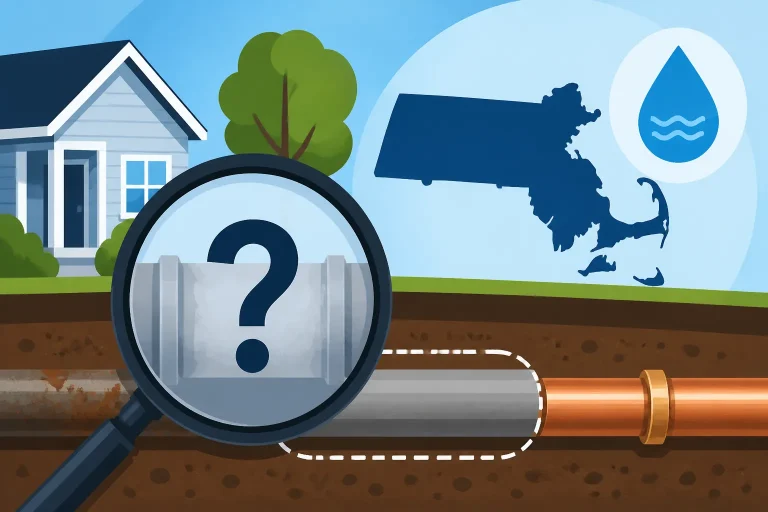
Taste and smell can also change within a town. Water travels through public pipes and then through a building’s plumbing before it reaches a glass. The condition and materials of that plumbing, the water’s path through the building, and how long water has been sitting in pipes can all matter. A difference noticed at one kitchen faucet may have a different explanation from a difference that residents across a neighborhood notice at once.
A taste change is a sensory observation, not a test result. An earthy taste, a chlorine-like smell, or a mineral sensation can help describe what you notice, but none identifies a contaminant on its own. Reports and lab results are more useful for understanding measured water-quality information. For guidance on the kinds of differences that may stand out, see Chlorine Here, Earthy There: Town-to-Town Tap Water Smells.
How to compare two towns’ annual reports
Start with the report for each supplier that serves the address you want to understand. In Massachusetts, a town name alone may not identify the supplier: a supplier may serve only part of a town, or different suppliers may operate in different areas. If you are unsure which report applies, confirm the supplier for the specific address rather than assuming the town’s name is enough.
For help locating and reading a report, see How to Find and Read Your Massachusetts Consumer Confidence Report. If a regional provider supplies water to a local supplier, the regional results and the local report may describe different parts of the delivery system. MWRA Wholesale Results vs. Your Town’s Own Report: What Each Covers explains why those documents are not necessarily interchangeable.
Once you have the right reports, compare them side by side. The goal is not to spot a single dramatic number. It is to understand whether the supplies, treatment, or reported results differ in a way that could help explain the taste contrast.
| What to compare | What to look for | What it may help explain |
|---|---|---|
| Supplier and service area | Whether the report matches the address and identifies the supplier | Whether you are comparing the water that actually serves each home |
| Water source | Descriptions of wells, reservoirs, rivers, or purchased water | Differences in source-water characteristics |
| Treatment description | Any explanation of disinfection, filtration, or other treatment | Differences in taste or odor associated with treatment |
| Water-quality results | The contaminants reported, the units, and any explanations | What the supplier measured and how results compare |
| Notices or follow-up information | Any reported issue, action, or instructions | Whether the supplier described a water-quality concern that needs context |
Compare like with like wherever possible. If a result appears in both reports, check that the contaminant, unit, and type of result match. A difference in units or reporting format can make similar values look different. If you are unsure what a table means, use the report’s explanations and ask the supplier to clarify how to interpret the result.
Pay attention to what each report says about the source and treatment, not only to the contaminant table. Two towns may have similar reported results while using different sources or treatment processes. Conversely, reports may look different in layout or level of detail even when there is no meaningful difference relevant to the taste you notice.
A report comparison works best as a way to form questions, not as a taste diagnosis. If one report describes a treatment step that the other does not, ask each supplier whether that difference could affect taste or odor. If the reports describe similar supplies and treatment, the difference may be farther along the distribution route or inside the building.
For a more detailed look at how a town report relates to the water at an individual faucet, read Does the Town Water Report Reflect What Comes Out of Your Faucet?. A report can be valuable without being a home-specific test.
What the report can and cannot tell you about taste
An Annual Consumer Confidence Report is about water quality information from the supplier. It can help you understand what the supplier reports about its water, but it does not necessarily explain why your glass tastes different from a neighbor’s. Taste can vary for reasons that a report may not measure or describe at the level of an individual building, pipe, or faucet.
A supplier’s results are not the same as a test of every household tap. The report can help show what the supplier monitored and reported, but it cannot establish that a particular faucet, fixture, or section of household plumbing is responsible for—or free from—a taste issue. If you want to understand the relationship between a report and your own tap, Is Massachusetts Tap Water Safe, or Is a Filter Worth Buying? offers related context.
Reports also have limits as guides to smell and flavor. A taste or odor can be noticeable even when the reported water-quality information does not point to a problem. On the other hand, the absence of an unusual taste or smell does not prove that every water-quality concern is absent. Many substances cannot be identified by taste or smell alone. A lab test or supplier information may be needed to answer a specific water-quality question.
Be cautious about treating a single result as a complete comparison. Check what the result represents and whether the reports use the same measurement and reporting period. Look for explanations around the table, including any notes about monitoring, results, or follow-up. If those details are not clear, ask the supplier what the result means rather than drawing a conclusion from a number in isolation.
A report may also leave out the detail you need to understand a local change. For example, it may not explain a short-lived taste change after work on a local pipe, or identify the condition of plumbing within a particular building. If a town recently changed sources or treatment, ask the supplier whether the change could be related to what you notice. For a broader discussion of how supplies can vary locally, see Beyond MWRA: Reservoirs, Rivers and Wells Behind Massachusetts Taps.
Use the taste pattern to decide what to check next
The pattern of the change can help you decide whether to start with the supplier or investigate the plumbing. Note where the taste occurs, when it started, and whether other people notice it. Be specific about the description: for example, say whether it seems chlorine-like, earthy, metallic, or simply different from usual. These observations do not identify a cause, but they can help the supplier or a qualified professional understand the question.
If the change affects several homes or is noticeable throughout a neighborhood, contact the water supplier. Ask whether there has been a source, treatment, or distribution change, or whether the supplier is aware of a related issue. If the taste appears with a service interruption, construction, or other local event, mention that context. For help sorting out a broader issue from a household plumbing problem, see Is It Just Your House? Sorting Out a Massachusetts Tap Water Problem.
If the taste is limited to one faucet or one building, start by comparing cold water at other faucets in the same home. A difference between fixtures can point toward a local plumbing or fixture question rather than a townwide supply difference. If the issue is confined to one faucet, cleaning or checking the faucet aerator may be worth considering, particularly if it has collected sediment. Avoid using taste alone to decide that a plumbing concern is harmless.
If the issue affects several taps in the same building but not nearby homes, the building’s plumbing may be relevant. A landlord or building manager can help determine whether plumbing work, equipment, or a change in building operations may be involved. For renters, Rental Water Quality Worries: Tell the Landlord, the Supplier or Both? explains how to think through whom to contact.
If the taste change is sudden, persistent, or accompanied by a water notice or other unusual change, contact the supplier promptly and follow any instructions it provides. Do not assume that a familiar taste means the water is safe, or that an unfamiliar taste means it is unsafe. If you are concerned about health effects, ask your local health department or a medical professional rather than trying to assess health risk from taste.
A filter is not a reliable way to identify the cause of an unexplained taste change. Different products are designed and certified to reduce different substances, and a product that changes taste may not address the specific issue you are concerned about. If you are considering treatment, compare its certification with relevant water-test results and the supplier’s information. Matching a Water Filter to the Problem in a Massachusetts Home explains why choosing by a taste description alone can lead to a poor match.
Make the comparison useful, not misleading
The most useful comparison is one that separates supply differences from household differences. Keep the reports for the correct suppliers, check that you are comparing the same kinds of results, and use what you find to ask specific questions. If your concern is a particular contaminant, ask whether it appears in the report and what the reported result does—and does not—show.
Avoid ranking towns as “better” or “worse” based only on a taste impression or on one report table. Reports summarize water-quality information, while taste is subjective and can be affected by source, treatment, and plumbing. A different taste does not automatically mean a water-quality violation, and similar reports do not guarantee that every faucet tastes alike.
It is also useful to compare a town’s report with its own earlier report when the question is whether something changed. Keep the comparison focused on matching sections, and distinguish changes in the supplier’s water-quality results from changes in format or explanation. Comparing This Year’s Water Report With Last Year’s: What Changed? provides more on reading changes across reports.
If the report points to a question you cannot resolve, ask the supplier directly. You might ask which source serves the address, whether the supplier knows of a recent change, or how to interpret a specific section of the report. If the question concerns plumbing after water enters the building, ask the owner or building manager, or consult a qualified plumbing professional. Use the official supplier website to find current contact details.
The takeaway is practical: reports can help explain why neighboring towns’ tap water may taste different, especially when they describe different sources or treatment. They cannot diagnose a particular faucet. Combine the report comparison with the pattern of the taste change, and contact the supplier or a qualified professional when the reports do not answer the question.
Frequently Asked Questions
Does different-tasting water mean one town has unsafe water?
Not by itself. Taste is not a water-quality test. Compare the suppliers’ reports and contact the relevant supplier if you have a concern about a change or a reported result.
Can an annual water report explain why my kitchen faucet tastes different?
It may provide useful information about the supplier’s source, treatment, and reported water quality. It may not explain a taste difference limited to a particular building or faucet.
Should I compare the towns’ contaminant results or treatment descriptions?
Both can be useful, but compare matching results carefully and read the surrounding explanations. Treatment and source descriptions may help explain taste differences even when the reported results do not point to a specific cause.
Who should I contact if the report does not explain the taste?
Contact the water supplier if the change affects multiple homes or you suspect a supply issue. If it is limited to a building or faucet, consider asking the owner or building manager, or consulting a qualified plumbing professional.
Sources
- Massachusetts Department of Environmental Protection (checked November 13, 2026)
- Massachusetts Department of Environmental Protection (checked November 13, 2026)
Disclaimer
This article is for general informational purposes only and does not constitute professional advice. Laws, prices and regulations vary by location and change over time. Consult a qualified professional for guidance on your specific situation. Massachusetts Water Guide is not a government agency or water utility and is not affiliated with any public water system.